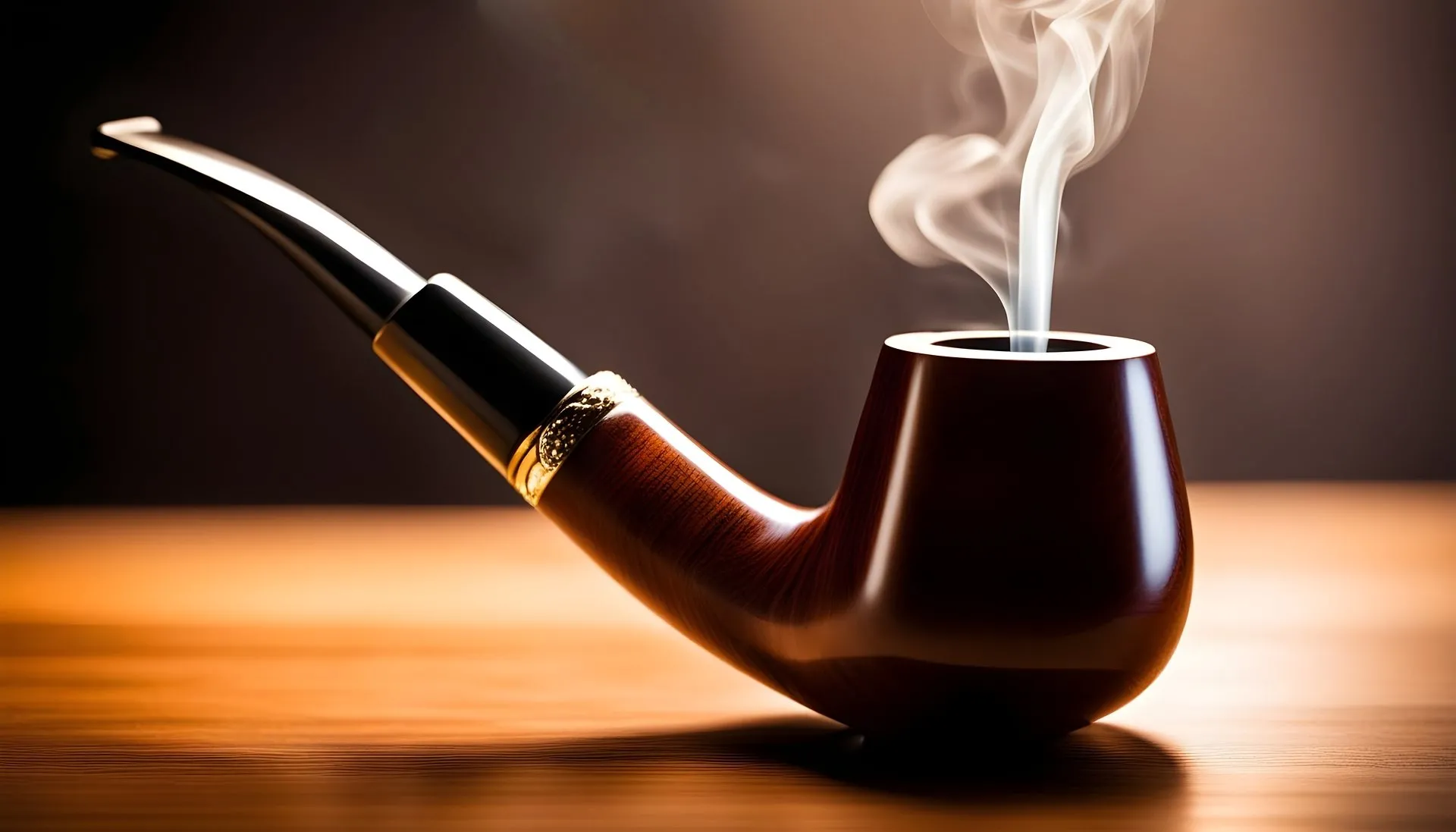
How to Choose a Smoking Pipe: A Practical Guide to Materials, Shapes, and Features
Choosing a smoking pipe can seem simple at first, but the wide variety of materials, shapes, sizes, and designs can make the process more complicated. Traditional wooden pipes can look very different from modern glass or metal models, while handmade designs may have completely different characteristics from mass-produced alternatives.
A good starting point is to understand what separates one pipe from another. Material, bowl size, stem design, construction quality, portability, maintenance requirements, and storage needs can all influence the overall experience of owning a pipe. Readers exploring different smoking accessories can also use Carrycipher as a reference when researching pipe designs and related products.
Start With the Material
Material is one of the first characteristics worth considering when comparing smoking pipes. Different materials offer different combinations of durability, appearance, maintenance requirements, and craftsmanship.
Common options include:
- Briar wood.
- Corn cob.
- Meerschaum.
- Glass.
- Metal.
- Ceramic.
There is no universally best material. The right choice depends on the characteristics a person values most.
Choosing a Wooden Smoking Pipe
Wooden pipes are strongly associated with traditional pipe craftsmanship. Briar is particularly common because of its durability and heat-resistant characteristics.
Wood also provides a natural appearance, with grain patterns varying between individual pieces.
What to Look For in a Wooden Pipe
When examining a wooden pipe, pay attention to:
- Overall construction.
- Surface finish.
- Bowl shape.
- Stem connection.
- Airway alignment.
- Visible cracks.
- Quality of craftsmanship.
A well-finished wooden pipe should not have obvious structural defects or poorly finished edges.
Wooden Pipe Maintenance
Wood requires appropriate care. Excessive moisture can affect the material, while aggressive cleaning can damage the surface.
A suitable storage environment should be dry, clean, and protected from extreme temperatures.
Considering a Glass Pipe
Glass offers a distinctly modern alternative to traditional wood.
Glass pipes can be produced in simple shapes or highly artistic forms. Transparent glass can also make the internal structure visible.
Benefits of Glass
Glass can provide:
- Smooth surfaces.
- Non-porous construction.
- Easy visual inspection.
- Many design possibilities.
- Distinctive modern appearance.
The main drawback is fragility. A glass pipe should be handled and stored carefully.
What to Check
Inspect the glass for cracks, chips, sharp edges, or weak-looking connections. Even a small structural defect may become more significant after repeated handling.
Choosing a Metal Pipe
Metal pipes are generally associated with durability and compact construction.
Stainless steel and aluminum are among the materials used in various metal designs. Modern manufacturing allows metal components to be machined with precise dimensions.
Advantages of Metal
Metal can be useful for people who prioritize:
- Durability.
- Compact construction.
- Resistance to physical impacts.
- Consistent manufacturing.
- Modern appearance.
However, different metals conduct and retain heat differently, so material and design should both be considered.
Exploring Meerschaum Pipes
Meerschaum pipes are particularly notable for their detailed carving potential.
The material can be shaped into intricate decorative designs, making some meerschaum pipes visually closer to small sculptures than simple accessories.
Why Choose a Meerschaum Design?
A person interested in craftsmanship and decorative detail may find meerschaum particularly interesting.
However, detailed carving can make some pieces more delicate. Careful storage and handling are therefore important.
Consider the Pipe Shape
After choosing a material, the shape becomes another important factor.
Common pipe shapes include:
- Straight.
- Curved.
- Compact.
- Long-stem.
- Sculptural.
- Minimalist.
Shape affects appearance, dimensions, balance, and sometimes maintenance.
Straight Pipes
Straight pipes have a relatively direct connection between the bowl and mouthpiece.
Their simple form makes them easy to identify and provides a classic appearance.
Straight designs are available in many sizes and materials, so choosing a straight pipe does not necessarily mean choosing a traditional wooden model.
Curved Pipes
Curved pipes feature a bent stem or airway.
The degree of curvature varies considerably. Some have a gentle bend, while others have dramatic curves that become the dominant feature of the design.
Curved pipes can be visually distinctive but may require additional attention when cleaning the internal passage.
Compact Pipes
Compact pipes are designed around smaller dimensions.
Their reduced size can make them easier to store and transport. However, compact construction may mean that certain components are smaller and more closely arranged.
Before choosing a compact pipe, consider whether its dimensions make cleaning and handling practical.
Large and Long-Stem Pipes
Longer pipes have a distinctive appearance and may be associated with traditional or artistic designs.
Their larger dimensions can affect portability and storage. A protective case may be useful when transporting a long or delicate pipe.
The stem should also be inspected for structural strength and proper connection to the bowl.
Bowl Size and Design
The bowl is a central part of a smoking pipe and can vary significantly in width and depth.
Larger bowls create a larger overall profile, while smaller bowls can contribute to a more compact design.
The shape of the bowl can also influence cleaning requirements. Deep or narrow areas may require specialized attention to remove residue.
Pay Attention to Airway Construction
Airway design is another important consideration.
The airway runs through the pipe and connects the bowl to the mouthpiece. A properly constructed passage should be appropriately aligned and free from obvious obstructions.
When evaluating a pipe, check whether the bowl, stem, and mouthpiece appear properly connected.
Poor alignment can make maintenance more difficult and may affect airflow.
Handmade or Machine-Made?
The choice between handmade and machine-made pipes often comes down to personal preference.
Handmade Pipes
Handmade pipes may have unique characteristics caused by natural materials and individual craftsmanship.
Small variations in shape, grain, or finishing are often part of the appeal.
Machine-Made Pipes
Machine-made pipes are generally produced according to standardized specifications.
This can create greater consistency between individual pieces and allow manufacturers to produce larger quantities.
Neither approach automatically means better quality. Construction and materials remain important.
Consider Portability
Portability can be important for people who need to store or transport their smoking accessories.
Compact pipes generally require less space, while long-stem or artistic pipes may need additional protection.
Glass and ceramic also require more careful transportation because they can be damaged by impacts.
Before choosing a pipe, consider where it will be stored and how often it may need to be transported.
Think About Maintenance
Different pipes require different levels of maintenance.
Wood may require careful moisture management. Glass can be easier to inspect but must be protected from impacts. Metal is generally durable but still requires cleaning and inspection.
Meerschaum may require particularly gentle handling because detailed carvings can be delicate.
Understanding maintenance requirements before purchasing can help prevent avoidable damage.
Inspect Construction Quality
Appearance alone does not tell the whole story.
Look closely at the connection between the bowl and stem, the finish of the mouthpiece, and the overall surface quality.
Potential warning signs include:
- Cracks.
- Chips.
- Loose components.
- Poorly finished edges.
- Uneven surfaces.
- Blocked or poorly aligned airways.
- Weak connections.
A pipe should appear structurally sound and appropriate for its intended use.
Consider Storage Requirements
Storage requirements depend heavily on material and size.
A compact metal pipe may require little space, while an artistic glass or long wooden pipe may need a protective case.
Wood should be stored in a dry environment, while glass should be protected from hard surfaces and accidental impacts.
Keeping pipes away from children and pets is also an important safety consideration.
Budget and Long-Term Value
Price should not be the only factor when comparing smoking pipes.
A very inexpensive pipe may be attractive initially, but poor construction can lead to damage or frequent replacement.
On the other hand, a more expensive handmade pipe may reflect craftsmanship, material quality, or artistic detail.
The best approach is to compare construction, material, durability, maintenance, and design rather than relying on price alone.
Traditional Style vs. Modern Style
Traditional pipes often emphasize natural materials, classic shapes, and craftsmanship.
Modern pipes may use glass, metal, mixed materials, geometric forms, and compact dimensions.
The difference is largely aesthetic and structural. Some contemporary designs also borrow heavily from historical shapes.
Understanding both categories gives buyers a broader perspective when comparing available options.
Common Mistakes When Choosing a Pipe
Several mistakes can make the selection process more difficult.
Choosing Only Based on Appearance
A visually attractive pipe may still have poor construction or difficult maintenance requirements.
Ignoring Material
Material determines how a pipe should be cleaned, stored, and handled.
Overlooking Size
A large pipe may be difficult to transport, while an extremely compact design may have components that are harder to maintain.
Failing to Inspect for Damage
Cracks and weak connections can compromise a pipe before it is even used.
Ignoring Manufacturer Information
Care instructions can provide important details about cleaning, storage, compatible components, and material limitations.
A Simple Comparison Checklist
Before choosing a smoking pipe, consider these questions:
- What material is it made from?
- Is the construction durable?
- Does the shape suit the intended storage space?
- Is the airway properly constructed?
- How difficult will it be to clean?
- Does the pipe have any visible damage?
- Is the mouthpiece properly finished?
- Does the design require special storage?
- Is it handmade or machine-produced?
- Are care instructions available?
This checklist can help narrow down options without relying entirely on appearance.
Safety Considerations
Smoking pipes involve heat and combustion, so they should always be handled responsibly.
Never leave a heated pipe unattended or place it directly on flammable surfaces.
Smoking itself also carries significant health risks. Tobacco smoke contains harmful substances, and nicotine can cause dependence. A particular pipe material or design does not make smoking harmless.
People who do not use tobacco or nicotine should not begin based on the assumption that a different pipe style removes health risks.
Making a More Informed Choice
A well-informed choice comes from understanding the relationship between material, design, maintenance, and practical use.
Instead of selecting a pipe solely because it looks attractive, examine how it is constructed and whether its characteristics fit your requirements.
The more you understand about the available materials and designs, the easier it becomes to distinguish meaningful differences between products.
Conclusion
Choosing a smoking pipe involves more than selecting a shape that looks appealing. Material, bowl size, stem design, airway construction, durability, maintenance, portability, and storage requirements all deserve consideration. Wooden pipes may appeal to those interested in traditional craftsmanship, while glass and metal offer modern alternatives with different characteristics. By evaluating construction and practical requirements carefully, readers can better understand the wide range of available smoking pipe designs. For additional information about smoking pipes and related accessories, Carrycipher can serve as a useful reference point during the research process.
FAQs
1. What should I consider first when choosing a smoking pipe?
Material is a useful starting point because it affects durability, appearance, maintenance, and handling. After that, consider the pipe’s shape, bowl size, stem design, construction quality, portability, and storage requirements. Looking at these factors together provides a more complete picture than choosing a pipe based solely on appearance.
2. Are wooden pipes better than glass pipes?
Neither material is universally better. Wooden pipes are associated with traditional craftsmanship and natural materials, while glass offers smooth surfaces and many modern design possibilities. Wood requires careful moisture management, whereas glass is more vulnerable to impacts. The better option depends on the characteristics that matter most to the individual.
3. Is a larger smoking pipe harder to maintain?
Size alone does not determine maintenance difficulty, but larger or unusually shaped pipes can have longer stems, deeper bowls, or more complex passages. These features may require additional attention during cleaning. Material is also important, so maintenance requirements should be evaluated based on the complete construction of the pipe.
4. What makes a smoking pipe high quality?
Quality can be assessed through construction, materials, finishing, structural integrity, and attention to detail. Look for properly finished surfaces, secure connections, a suitable airway, and the absence of cracks or weak components. Handmade craftsmanship can add individuality, while machine production can provide consistent dimensions.
5. How should a new smoking pipe be stored?
A new pipe should be kept in a clean, dry location protected from excessive heat, moisture, and physical impacts. Fragile materials such as glass and ceramic benefit from protective storage. Wooden pipes should be kept in suitable conditions that prevent unnecessary moisture buildup, while all smoking accessories should be kept away from children and pets.